











Best Time to Visit the Olympic Peninsula and Olympic National Park
Covering nearly 1 million acres of the Olympic Peninsula, Olympic National Park is one of the largest in the lower 48 United States — and weather can vary substantially based… The post Best Time to Visit the Olympic Peninsula and Olympic National Park appeared first on RVshare.

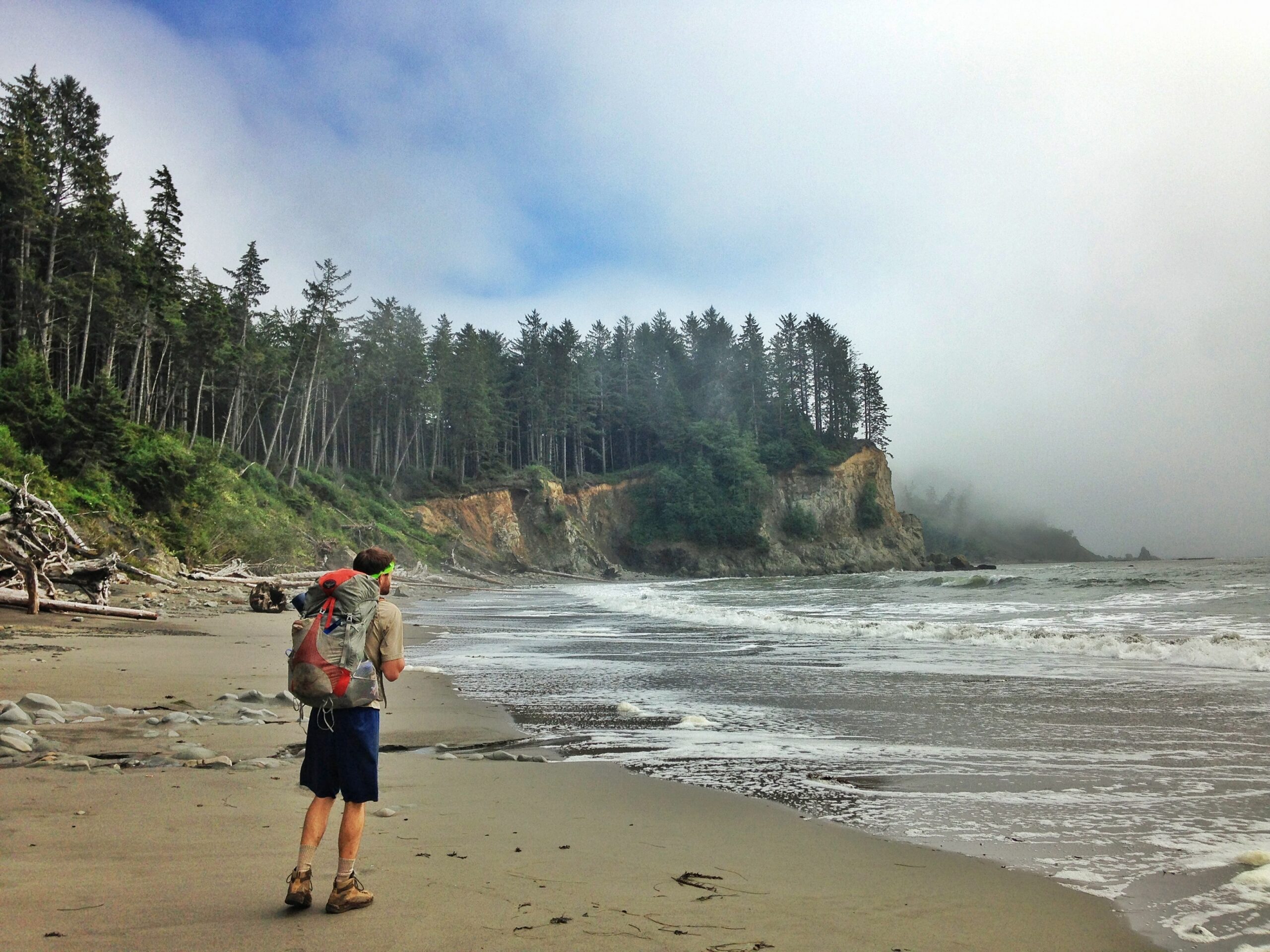

Covering nearly 1 million acres of the Olympic Peninsula, Olympic National Park is one of the largest in the lower 48 United States — and weather can vary substantially based on where in the park (or on the Peninsula) you’re trying to visit. That said, the best time to visit the Olympic in general is July through September, which offers the driest conditions and most reliable access to the beaches, rainforest, and mountain areas that draw visitors to this corner of the world.
May and June can also be great times to visit, offering lush landscapes in exchange for more rainy days, while the fall months (late September through early November) bring quieter trails and more precipitation. Summer is especially convenient for RV travel, but you can definitely make a trip to the Olympic Peninsula work at any time of the year — and below, we’re going to walk you through how to do so.
When Is the Best Time to Visit the Olympic Peninsula?
The overall best time to visit the Olympic Peninsula is July through September, when you’ll enjoy drier weather, ample access to all features of the national park, and the longest, sunniest days. The driest weather overall is between July and August, so if you’re looking for rain-free hikes, visiting in the height of summer is likely the best option.
On the other hand, if you’re looking for fewer crowds and quieter days, late spring (May through June) and September can offer a good middle ground, with plenty of daylight and breaks between the showers for exploring. Finally, if lush rainforest scenery is most important to you, spring brings ample green ferns and misty days, while fall offers speckles of changing foliage amongst the evergreens. Finally, for those with the right gear and bravery, winter is the quietest season in the park.
Olympic Peninsula Weather by Season
Each season on the Olympic Peninsula has its own unique flavor. Here’s what to expect depending on when you show up.
Spring (March–May): Lush Rainforests and Changing Conditions
Spring showers are definitely in effect in March, April and May in the Olympics. However, all that precipitation means the rainforests are lush and thriving, and conditions do change gradually throughout these months.
For instance, in March, daytime highs may hover around the 40s, and sometimes even in the 30s, while by May the highest temperature of the day could easily reach 60 degrees. May also sees about six inches of rain on average, compared to over 13 inches of rain in March.
Summer (June–August): Drier Weather and Scenic Drives
Summer is the golden time of year in the Pacific Northwest, with almost 16 hours of daylight and the driest weather this area experiences. (Showers are still always possible, so never neglect your raincoat!)
June, July and August are the most popular months to visit Olympic National Park, and while they do offer some of the best views for scenic drives and comfortable hiking weather, you’re more likely to encounter crowds and traffic. You’ll also want to book your campsite well in advance.
Fall (September–November): Fall Colors and Returning Rain
It may be called the Evergreen State, but make no mistake about it: there is fall color to be seen in Olympic National Park, and it’s stunning. Bigleaf maples turn bright gold and amber, vine maples go copper and crimson, and in the understory, fresh huckleberries and Oregon grapes add hues of blue, red and purple.
Of course, by October, the rain is usually making its return, which means more lush greenery but also the need for proper gear if you’ll be venturing out for longer hikes. And while crowds should dissipate to some extent, this is still a popular time to visit the park, so plan accordingly.
Winter (December–February): Rainy Coastlines and Snowy Mountains
Winter is an underrated time to visit Olympic National Park. Yes, it’s rainy, but the snow-capped mountains have never looked more powdered-donut-y, and a misty drive along the coast with stops for hot cocoa (or something stronger) feels like a perfect winter escape.
December through February see the lowest number of visitors to Olympic National Park, so you may have the landscape almost entirely to yourself. However, keep in mind that some businesses and services are seasonal, so you may not have full access to everything.
Olympic National Park Weather by Season: At a Glance
| Season | Conditions and Considerations | Best Camping Options |
| Spring | Lush greenery, changing conditions; lots of rain earlier in the spring, but slowing down by May | Kalaloch Campground is open year-round, with select sites accommodating RVs up to 35 feet (most 21). No hookups, but flush toilets, potable water and dump station |
| Summer | Long, dry, sunny days, but also the highest crowds and most traffic | Log Cabin Resort RV & Campground opens in May and offers full hookups for RVers, which is a rarity in the NPS system. Rigs up to 35 feet accommodated. |
| Fall | Fall colors amongst the evergreens, slowing crowds, returning rain | Log Cabin Resort RV & Campground still open into mid-October; Hoh Rainforest Campground another popular fall option, mostly for smaller RVs |
| Winter | Rainy coastlines and rainforests, snow-capped mountains, and quiet days | Year-round campgrounds that accommodate RVs include Hoh Rainforest Campground, Kalaloch Campground, Heart O’ the Hills Campground, Mora Campground and Ozette Campground |
Pro Tips: Firstly, keep in mind that in such a large park, the weather on the mountaintops can be substantially different than the weather at the coast. Your best bet is to research the weather at the specific location you want to visit during the time of your proposed trip. (More on the best times to visit the most popular parts of the park in just a second.)
Secondly, note that camping inside the park is limited, even with a lot of campgrounds available. Each campground has size restrictions, and very few sites accommodate RVs up to 35 feet in length. There are no campgrounds inside the park that accommodate bigger RVs of 40 or 45 feet in length, and very few hookups. Fortunately, there are also a variety of private RV parks and other options to consider on the Olympic Peninsula.
What Is the Best Time to Visit Different Areas of the Olympic Peninsula?
As we just mentioned, the weather can differ substantially in different areas in the park. That’s why we’ve put together this list of the best times to visit specific attractions that draw visitors to the Olympic Peninsula in the first place.
Best Time to Visit Hoh Rain Forest
Most visitors experience the most comfortable ambiance at Hoh Rain Forest in the summer months: July through September.
That said, visiting in spring or even winter can give you a better perspective of the true rainforest experience — including the “rain” part. Yes, the days will be wet, but the greenery will be lush and thriving, overgrown to a point where some people experience it as otherworldly. Plus, it may be easier to find camping nearby during these parts of the year.
Best Time to Visit Hurricane Ridge
Named for the powerful, high-speed winds that sweep through the mountaintops during the winter, if you want to hike Hurricane Ridge, your best bet is the summer. If you come in the winter or even too late into the fall, you may find you’re unable to get to the trailhead due to weather-related closures.
That said, many visitors do enjoy snowshoeing or crosscountry skiing in this area in the winter, and the park tends to keep the main road plowed on the weekends and during major holidays.
Best Time to Visit Rialto Beach and Ruby Beach
There’s simply no place on earth like the northern Washington coast. While each time of year here has its own beauty, most visitors best enjoy the coast in the summer, when dry, sunny days are still not guaranteed, but are far more likely.
Moving your trip just a little earlier, into late spring, or later, into early fall, can help you strike the balance between good weather and fewer crowds.
Best Time to Visit Lake Crescent
For the very warmest weather and opportunity to take advantage of all the lake has to offer (i.e. swimming, kayaking, paddleboarding and nearby hiking), the best time to visit Lake Crescent is the height of summer, July and August. That said, the area is still stunning and relatively mild in the spring and fall, and in the winter it brings quiet and solitude.
Best Time to Explore the Olympic Peninsula by Road
For the driest, safest driving conditions, most reliably open roads, and clearest alpine views, summer is the best time to take a road trip through Olympic National Park or around the Olympic Peninsula. Early fall can be a close second, with still relatively low rainfall, the slow appearance of fall colors, and crowds thinning out.
When Is the Best Time to Visit the Olympic Peninsula in an RV?
While all the rules of thumb above apply for RVers, there are a few things to keep in mind when you’re traveling by motorhome or travel trailer to Olympic National Park.
Olympic Peninsula Road Conditions for RVs
Highway 101 is the main route around the Peninsula, and is generally friendly for most RVs most of the way. However, areas around Lake Crescent can be narrow and winding, and there are some older steel truss bridges that are narrow enough that only one vehicle can fit at a time. In general, you should be fine sticking to the main roads, but spur roads and forest roads may be unpaved, steep, and have switchbacks that won’t work for the largest RVs.
Keep in mind, too, that seasonal road closures apply, especially around Hurricane Ridge Road. During the winter (November 1 through April 1), all vehicles, even AWD or 4WD vehicles, are required to carry chains when traveling past the Heart O’ the Hills entrance station. Additionally, along the coast, heavy rains can bring flooding and other wet driving safety considerations.
Best RV Campgrounds on the Olympic Peninsula
Olympic National Park has one of the most abundant catalogs of campgrounds in the NPS system, including the Log Cabin Resort RV & Campground which features full RV hookups. However, size restrictions are in place in all of the campgrounds inside the national park, and reservations go quickly. We recommend booking as early in advance as possible.
The Sol Duc Hot Springs Resort area is another popular option for camping, with electric hookups available. Additionally, there are many private campgrounds throughout the Olympic Peninsula which offer conveniences and amenities like onsite laundry, shopping, and more.
Planning an Olympic Peninsula RV Road Trip
It’s almost impossible to do a trip to the Olympic Peninsula wrong. It’s so beautiful, you’re very likely to have a good time no matter when and where you visit. However, many first-time visitors underestimate the sheer size of this national park. If you want to see more than just one or two features, it’s a good idea to give yourself at least a week, and to look at the travel times between the various features like rainforest, coast, and mountains. (Add extra time for viewpoint stops, traffic, and plain old life.)
It’s also a good idea to choose multiple campground bases so you can move around and have more flexibility to experience more of the park. Additionally, services like fuel and groceries are limited in the most remote areas of the park, so stock up before you arrive — and be ready to lose your cell phone signal.
Tips for RV Camping in Rainy Weather
RVs certainly make camping in the rain a whole lot better than it is when you’re camping in a tent. Still, for the most comfortable experience, there are some things worth planning for ahead of time.
For starters, campsites may be muddy and drainage may be a problem during the wettest months of the year. While campgrounds in the area are generally designed with the weather in mind, never drive into an area wet enough that you may become stuck — and always bring gear to keep your campsite as clean as possible, like a doorstep mat to wipe your feet on.
Finally, layers are the name of the game when it comes to dressing for the Pacific Northwest. Lean toward moisture-wicking fabrics rather than cotton, and always be prepared for an unexpected turn toward rain.
How Many Days Do You Need to Explore the Olympic Peninsula?
While even a long weekend is well worth it, because of the sheer size of this park, we recommend people give themselves at least four to five days, and up to a week, to get a feel for all the Peninsula’s distinct regions.
Plan Your Olympic Peninsula RV Trip With RVshare
In such a large park where you’re likely to want to set up camp at multiple locations throughout your experience, an RV truly makes for the easiest way to experience the Olympic Peninsula.
Explore RV rentals in Washington and plan your Olympic Peninsula road trip.
Frequently Asked Questions About Visiting the Olympic Peninsula
July is typically the driest month of the year, but the most reliably dry months altogether are July, August and September. Keep in mind that it depends what part of the park you’re visiting; the Hoh Rain Forest, for example, can see rain all year round.
Yes, September can be a wonderful time to visit Olympic National Park. You’ll still likely have lots of dry days and sunshine, but fewer crowds.
The summer is the driest time to visit Hoh Rain Forest (though there’s still no guarantee you won’t get rain). However, if you have a good waterproof jacket, spring gives you the best view of the lush greenery of the area.
Yes, The main route around the Olympic Peninsula, 101, is safe for most RVs. However, spur roads and forest roads can quickly become narrow or steep and should be researched ahead of time.
Most of the park remains open and accessible throughout the winter, but the highest elevation parts of the park can be snowed in. Hurricane Ridge Road is usually plowed during the winter on the weekends and at major holidays, but not other days, and chains are required from November 1 through April 1.
The post Best Time to Visit the Olympic Peninsula and Olympic National Park appeared first on RVshare.
What's Your Reaction?


