














Is it Worth Visiting Zion National Park in Winter?
Zion National Park is an absolutely gorgeous place to visit any time of year. That said, winter is a particularly fun time to visit. During this time of year, the… The post Is it Worth Visiting Zion National Park in Winter? appeared first on RVshare.

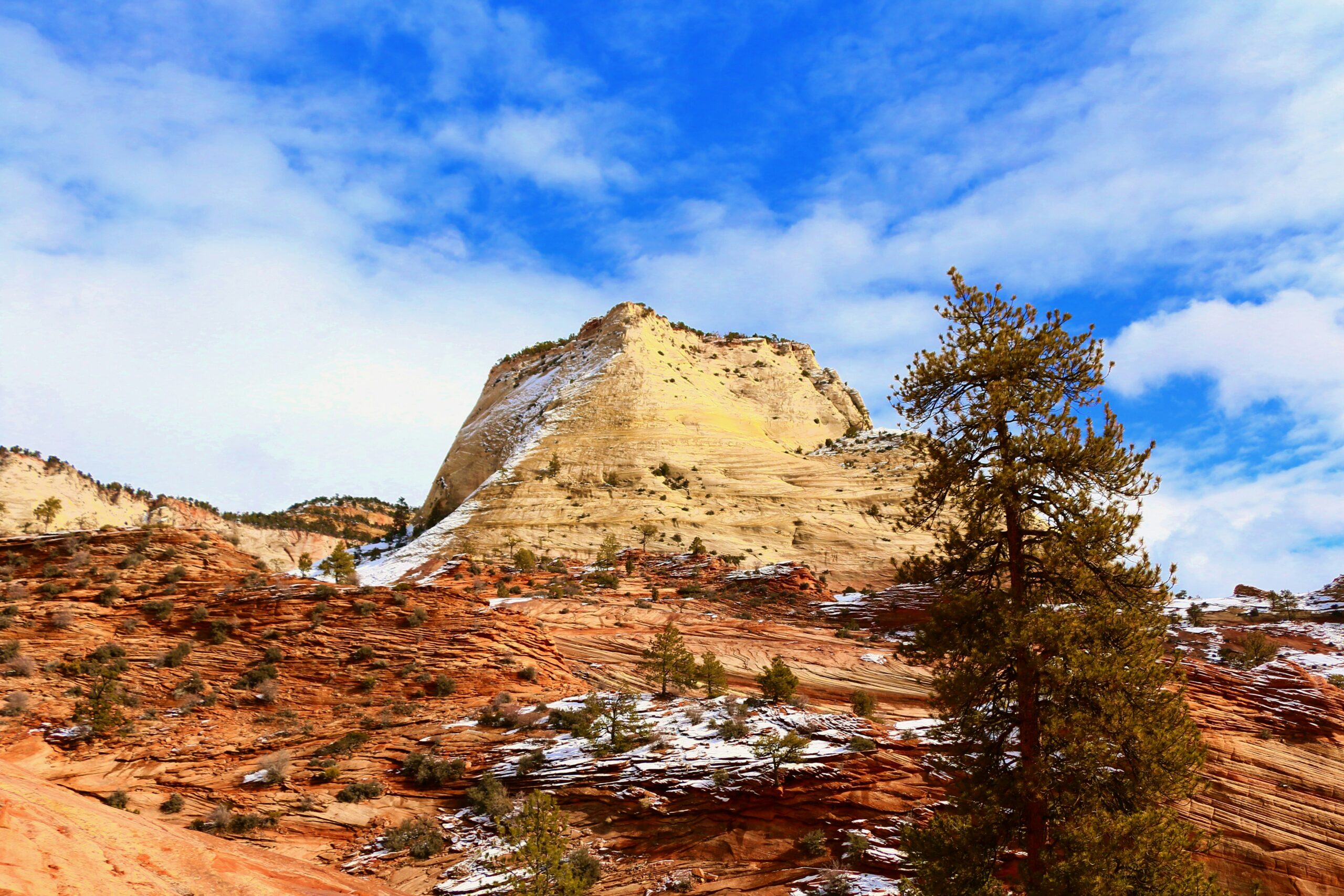

Zion National Park is an absolutely gorgeous place to visit any time of year. That said, winter is a particularly fun time to visit. During this time of year, the park is cooler, making hiking more enjoyable, and the crowd levels are much more manageable. On top of all that, the contrast between the white snow that occasionally covers the ground during the winter months and the red rock cliffs is absolutely stunning.
Ready to plan your winter RV adventure to Zion National Park? You’ve come to the right place.
Is Zion National Park Worth Visiting in Winter?
If you ask us, yes, visiting Zion in winter is definitely worthwhile. Many areas remain accessible (although snow and ice can affect some trails and roads), and there is plenty to see and do in the park, even during the coldest months. RV travelers should check campground availability, shuttle operations, and vehicle restrictions before visiting.
Why Winter Is a Great Time to Visit Zion
- Generally lighter crowds outside holiday periods.
- Cooler temperatures for suitable hikes.
- Striking red sandstone scenery with occasional snow.
- Photography and sightseeing opportunities.
What Are the Downsides of Visiting Zion in Winter?
- Snow and ice on exposed or shaded trails.
- Limited daylight.
- Variable shuttle operations.
- Cold overnight temperatures for RV campers.
A winter visit to Zion is great for travelers who enjoy cooler hiking weather, scenic red rock landscapes, and generally smaller crowds.
What Is Zion National Park Like in Winter?
Of course, it is good to go in knowing what Zion winter weather might be like. At the canyon floor, you’re likely to see highs in the 50s and lows in the low 30s. Meanwhile, the weather at higher elevations will be cooler.
Does Zion Get Snow in Winter?
Zion does see some snow during the winter months. The canyon only gets occasional snowfall, which tends to melt away relatively quickly. Meanwhile, higher elevation locations will accumulate more snow.
Visiting Zion in December, January, or February
Wondering what it’s like in Zion National Park in January, or what to expect in Zion National Park in February? Check out the table below.
Month What visitors can expect December Cool weather, possible snow, and increased holiday visitors January Colder mornings, generally quieter conditions, and possible icy trails February Continued winter conditions and gradually increasing daylight
What Are the Best Things to Do in Zion in Winter?
The key to making plans for things to do in Zion in winter? Stay flexible. Winter weather, icy trails, and seasonal transportation rules can all affect daily plans. Here are some of the best options.
Explore Zion Canyon’s Scenic Viewpoints
While long hikes might afford you more solitude, Zion’s dramatic scenery is worth experiencing even if you don’t plan to hike far. Winter light brings out the colors of the sandstone cliffs, while occasional snowfall adds contrast to the landscape.
The Zion Canyon shuttler winter schedule is pretty sporadic and the shuttle is closed for much of the season, meaning the Zion Canyon Drive is open to private vehicles more often than not. This makes it super simple to go for a drive and stop at viewpoints. If the shuttle is operating while you’re there, it is also possible to access viewpoints from shuttle stops. Another option is to check out viewpoints offered along Zion-Mount Carmel Highway. We actually really enjoyed this option, but it is important to note that this highway does have some vehicle restrictions.
No matter which option you choose, be sure to allow extra time for winter travel, and check road conditions and park alerts before setting out.
Take a Winter Hike on Suitable Trails
Zion winter hiking is not only possible, it can be super enjoyable. That said, choosing the right trail and checking conditions are essential. Lower-elevation routes may remain accessible even while higher trails are snowy or icy.
Some of our favorite trails for winter hiking in Zion include:
- Pa’rus Trail: This relatively easy, paved trail follows the Virgin River and offers canyon views without a strenuous climb.
- Riverside Walk: This popular route follows the Virgin River toward the entrance to The Narrows. Check for ice, snow, and closures before starting, especially in shaded sections.
- Lower-elevation canyon walks: Usually, there are a number of shorter trails open in the lower elevation areas of the park during the winter. Ask a park ranger for current recommendations.
Remember that even the easiest of trails can become dangerous if there is ice involved. You’ll want to wear sturdy boots with good traction in case patches of ice or snow turn up along your route. If conditions seem unsafe, it’s always better to turn around rather than risk running into problems.
Photograph Zion’s Red Rock Landscapes
Those gorgeous views we mentioned earlier? Those are well worth taking photos of, and winter is the perfect time to do it. The way the light hits the red sandstone is just stunning and the bright blue winter sky offers some amazing contrast. If you can catch the park at a time when snow is on the ground that is even better.
For the best lighting, consider heading out around sunrise or late afternoon. Look for cool reflections along the Virgin River, wide canyon views, and interesting details in the sandstone.
We recommend bringing extra batteries, since cold weather can drain them faster, and make sure to keep your camera protected from moisture if snow is falling.
Explore Springdale and Nearby Attractions
The cute gateway town of Springdale is a convenient place to spend time before or after exploring the park. Its main street features restaurants, cafes, galleries, outdoor gear shops, and more, all surrounded by gorgeous red cliffs.
If you’re traveling by RV, confirm parking arrangements before entering town and plan ahead for fuel, groceries, and other necessities.
For the latest trail conditions, road restrictions, and seasonal transportation information and other important information, consult the official Zion National Park website and the Town of Springdale visitor guide before heading out.
Can You Visit Zion National Park in Winter in an RV?
Absolutely, you can take an RV to Zion National Park during the winter season. That said, you will want to go in prepared for freezing overnight temperatures, potentially icy road conditions, limited campground availability, and some restrictions on larger vehicles.
What Are Zion’s Winter Road Conditions for RVs?
| Route or road | Typical winter conditions | RV considerations |
| Highway 9 through Springdale | Generally accessible, weather permitting | Main approach to Zion’s south entrance; check for winter weather and traffic delays. |
| Zion Canyon Scenic Drive | Access depends on seasonal shuttle schedules and park regulations | Private vehicle access may be restricted; verify current winter access rules before entering. |
| Zion–Mount Carmel Highway | Generally open, subject to weather and temporary closures | The tunnel has vehicle size restrictions. Oversized vehicles may require a permit and traffic control, depending on vehicle dimensions. |
| Kolob Canyons Road | May close due to snow or icy conditions | Higher elevation can bring colder temperatures, icy roads, and sudden closures. Check conditions before traveling. |
Note: As of June 7, 2026, Zion National Park enforces size and weight restrictions along the entire Zion–Mount Carmel Highway section between Canyon Junction and the East Entrance. Oversized vehicles can no longer rely on a tunnel escort to travel this section.
Current limits include:
- Length: 35 feet, 9 inches for a single vehicle.
- Width: 7 feet, 10 inches.
- Height: 11 feet, 4 inches.
- Weight: 50,000 pounds.
- Combined vehicles: No more than 50 feet overall, with a maximum of 26 feet from the hitch to the rear axle of the towed vehicle.
We recommend measuring your entire RV, including accessories, and checking the official NPS large-vehicle restrictions before departure. Vehicles exceeding the limits must use an alternate route, although certain exceptions apply to vehicles entering through the South Entrance for specified park destinations.
Do RVs Need Snow Chains in Zion?
RVs do not generally need snow chains to visit Zion National Park in winter. However, snow and ice can affect driving conditions, particularly at higher elevations and on roads outside the main canyon and some Utah roads might require chains, so you will want to check the conditions and regulations along your route.
For an RV trip to Zion in December, January, or February, keep these tips in mind:
- Check road conditions: Zion winter road conditions can vary quite a bit. Look at the NPS current conditions page before driving.
- Carry appropriate traction equipment: Check your RV and tow-vehicle manufacturer’s guidance, since some vehicles have restrictions on using chains.
- Be prepared for ice: Roads may be plowed, but shaded areas and higher elevations can remain slippery.
Where Can You Camp in an RV Near Zion in Winter?
Wondering where to go for some Zion National Park winter camping adventures? There are a few different options when it comes to Zion campgrounds.
Campground or area Winter availability RV considerations Watchman Campground Generally open year-round RV sites and some electric hookups are available. Full hookups are not available. Check site details and reservations before booking. South Campground Seasonal operations; closed during winter Do not assume winter availability. Check the NPS camping page for current status and reopening dates. Springdale RV parks Varies by property Confirm winter opening dates, hookup availability, site length, and access directly with each campground. Hurricane-area RV parks Varies by property An alternative base farther from Zion Canyon. Check individual campground websites for seasonal amenities, reservations, and driving directions.
How Do You Prepare an RV for Zion’s Winter Temperatures?
Generally speaking, temperatures in Zion Canyon are milder than in higher elevation areas. Still, freezing nights, snow, and icy roads are possible, meaning you will want to do a bit of prep work.
- Verify RV heating. Confirm that your RV furnace works properly and fill the propane tanks before heading out.
- Protect your RV plumbing. Find out if your RV has heated tanks. If not, consider adding tank heaters and using your fresh water tank rather than hooking up the fresh water hose.
- Confirm winter campground hookups. Double check that the campground you plan to stay in is open and ask whether water, electricity, and sewer services are available. Some amenities may be limited during winter.
- Plan for cold nights. Bring warm bedding, insulated clothing, extra blankets, and backup lighting.
- Pack suitable footwear. Waterproof hiking boots might be needed if trails are icy or snowy.
- Monitor weather and road alerts. Check forecasts, road closures, and park notices before departure and throughout your stay.
How to Plan a Safe and Enjoyable Zion Winter Trip
Safety is, of course, of the utmost importance. Here are some RV travel planning tips to make sure your winter Zion National Park winter camping trip is as safe and enjoyable as possible.
Check Trail Conditions, Weather, and Shuttle Schedules
Visit the National Park Service’s current conditions page to learn about road closures, trail advisories, and other alerts. You’ll also want to check the Zion Canyon shuttle schedule before planning your day, since private vehicle access to the Scenic Drive depends on current park rules and shuttle operations.
Pack for Cold Weather and Icy Trails
Dress in layers. This allows you to adjust to changing temperatures throughout the day. Bring a warm outer layer, gloves, a hat, water, snacks, and sturdy footwear with good traction. Traction devices may be useful on icy trails, but aren’t a substitute for good judgement.
Plan Around Shorter Days and Changing Access
Days are shorter in winter, meaning less time to explore. Start hikes early enough to finish before dark, allowing extra time for slippery surfaces and slower travel. Keep your itinerary flexible and have backup activities in mind in case weather disrupts your plans.
Is Winter the Right Time for Your Zion RV Trip?
Winter is a great time to visit Zion if you enjoy gorgeous scenery and cooler hiking weather. It’s also the perfect time for those who prefer fewer crowds to pay the park a visit. That said, with winter comes shorter days, freezing nights, possible icy trails, and changing road and shuttle access, all things that can be frustrating. If you prefer warm weather, long days, and reliable access to challenging trails, spring or fall may be a better option.
Frequently Asked Questions About Zion in Winter
Yes, you can visit Zion National Park in December. However, some facilities and services may not be available. Additionally, snow and ice can affect roads and trails. Make sure to check current park conditions before visiting.
Can you drive through Zion in winter? Yes, private vehicles are generally allowed on the Zion Canyon Scenic Drive when the shuttle is not operating, and this is the case during much of the winter season. That said, holiday shuttle service and temporary closures can affect access, and parking may be limited.
Note: RVs must also comply with the Zion–Mount Carmel Highway restrictions if traveling that route.
Obviously, this is a bit subjective. That said, we don’t think January in Zion is too cold. Daytime temperatures in Zion Canyon can be comfortable during this time of year. Nights can drop below freezing, but as long as your RV has reliable heating and plumbing protection, this shouldn’t be an issue.
You might be able to hike Angels Landing in winter, but weather conditions can make the exposed trail dangerous. Snow and ice may affect access, and hikers need a permit to hike Angels Landing beyond Scout Lookout. Check NPS trail alerts and permit information or the most up to date information.
We recommend planning a two to three day trip in order to see all the park has to offer in winter. If you can, allow an extra day. This gives you the option to adjust your plans around weather, trail closures, or limited daylight.
Planning an RV trip to Zion?
Find an RV for your Zion trip and confirm winter suitability before booking. Look for reliable heating, cold-weather plumbing protection, and a layout that suits your Zion RV camping winter travel plans.
The post Is it Worth Visiting Zion National Park in Winter? appeared first on RVshare.
What's Your Reaction?